
Leading global photography production to bring complex technology stories to life through authentic, human-centered imagery.
For 14 months, I led photography production for CDW's multi-title editorial program, producing more than 130 shoots across the U.S., Europe and Asia. The work spanned eight magazines, customer case studies, sponsorships and digital content, with each assignment bringing its own creative challenges, people to photograph and places to get into.
The work spanned 38 states and international locations, from hospital command centers and federal facilities to professional sports venues, schools and scientific research labs. Each assignment called for the right photographer, a clear creative approach, access to the right people and places, and imagery that made complex technology tangible.
I managed the process from shot lists and photographer selection through location access, releases, editing and final delivery—while overseeing photography, stock licensing and illustration budgets and building and maintaining the systems that kept the entire creative workflow moving.
The work
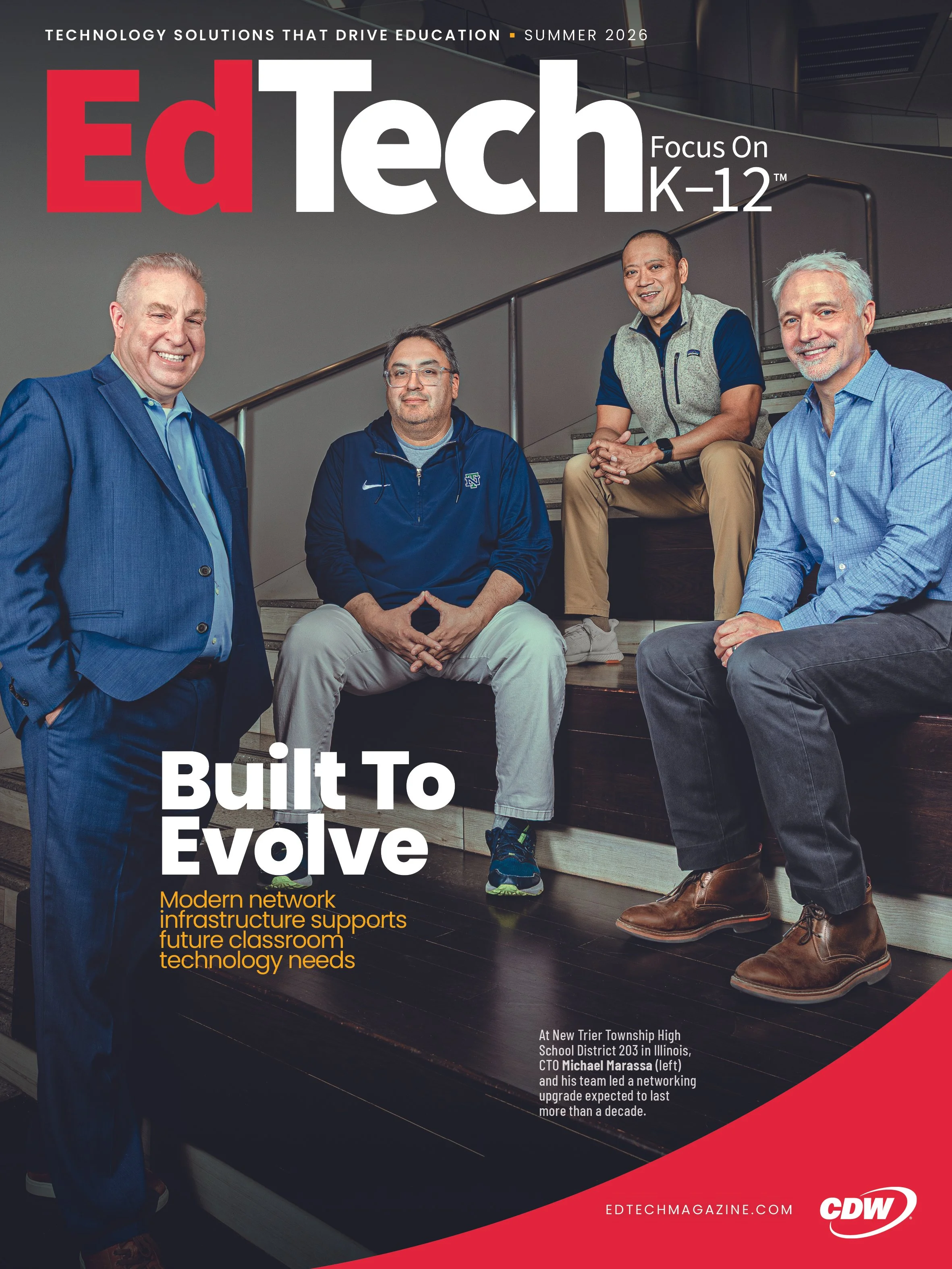
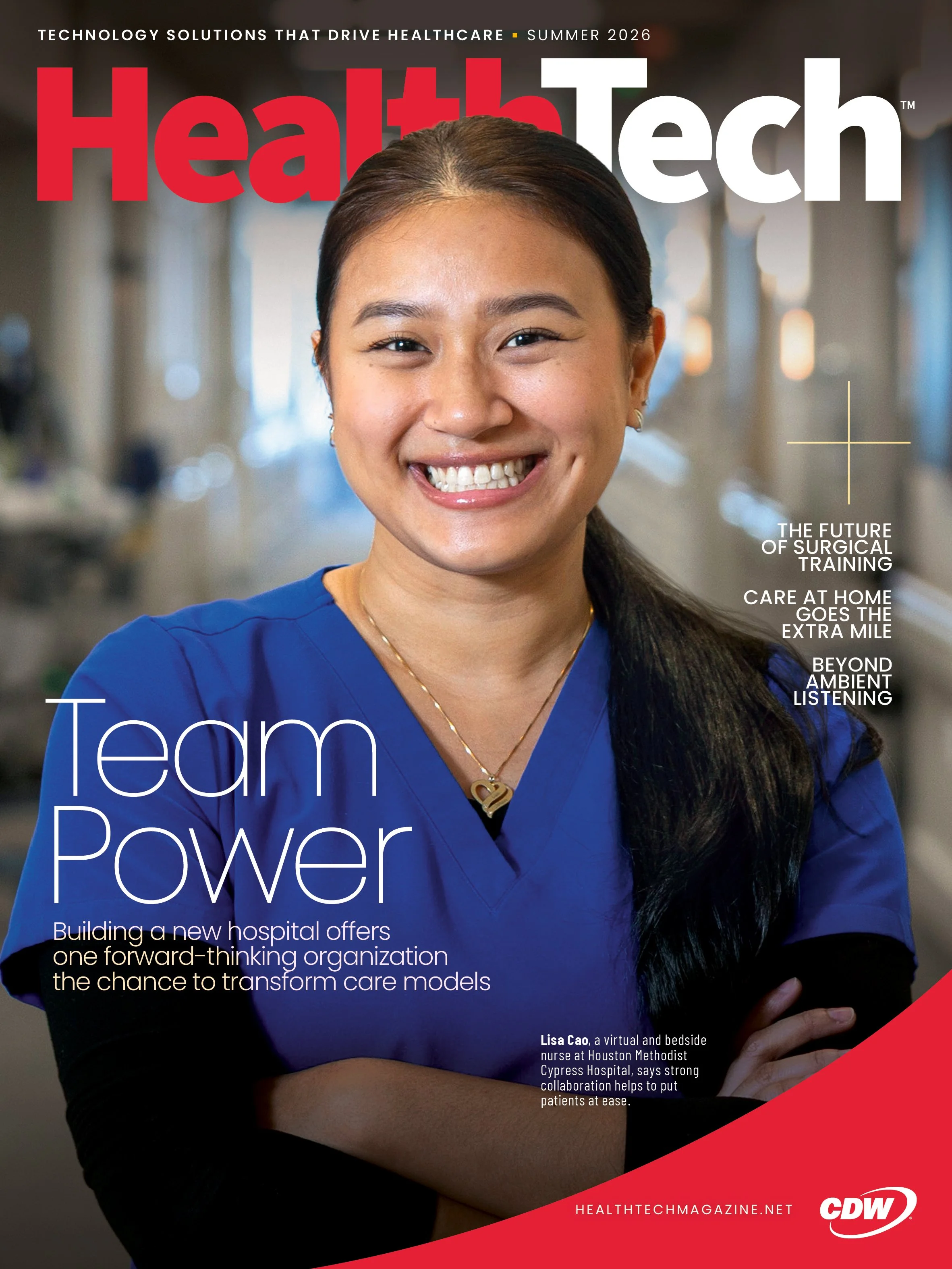
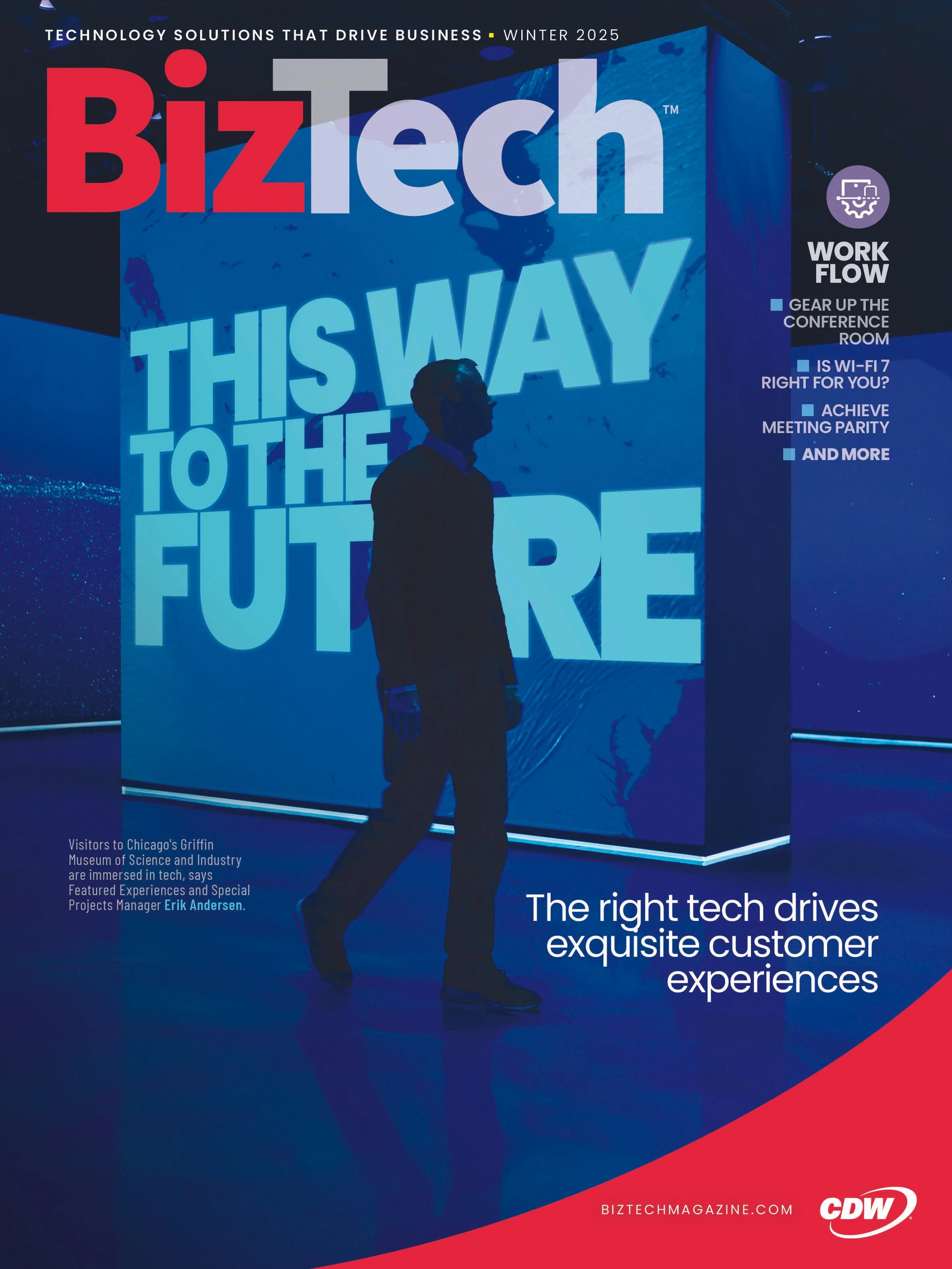
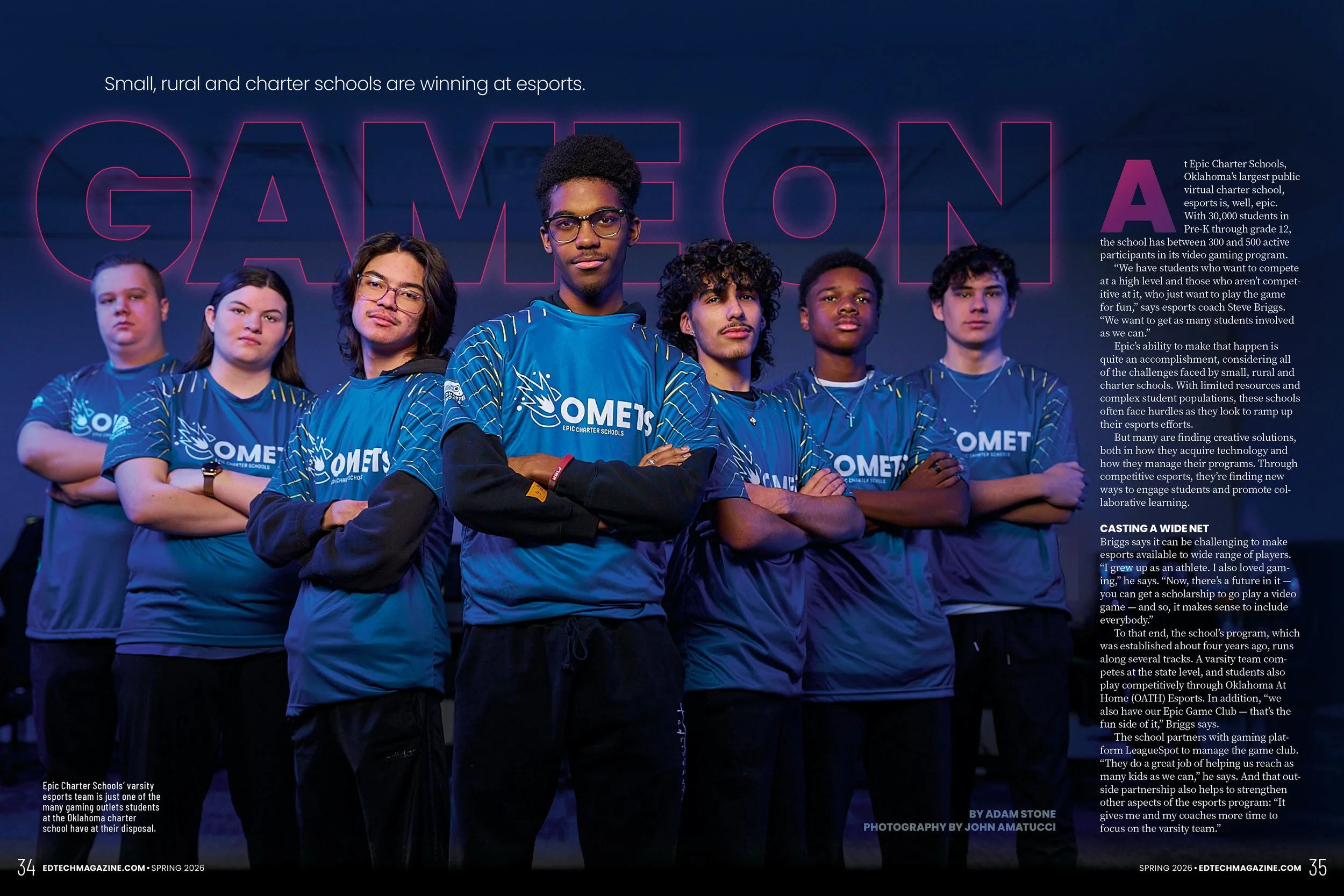
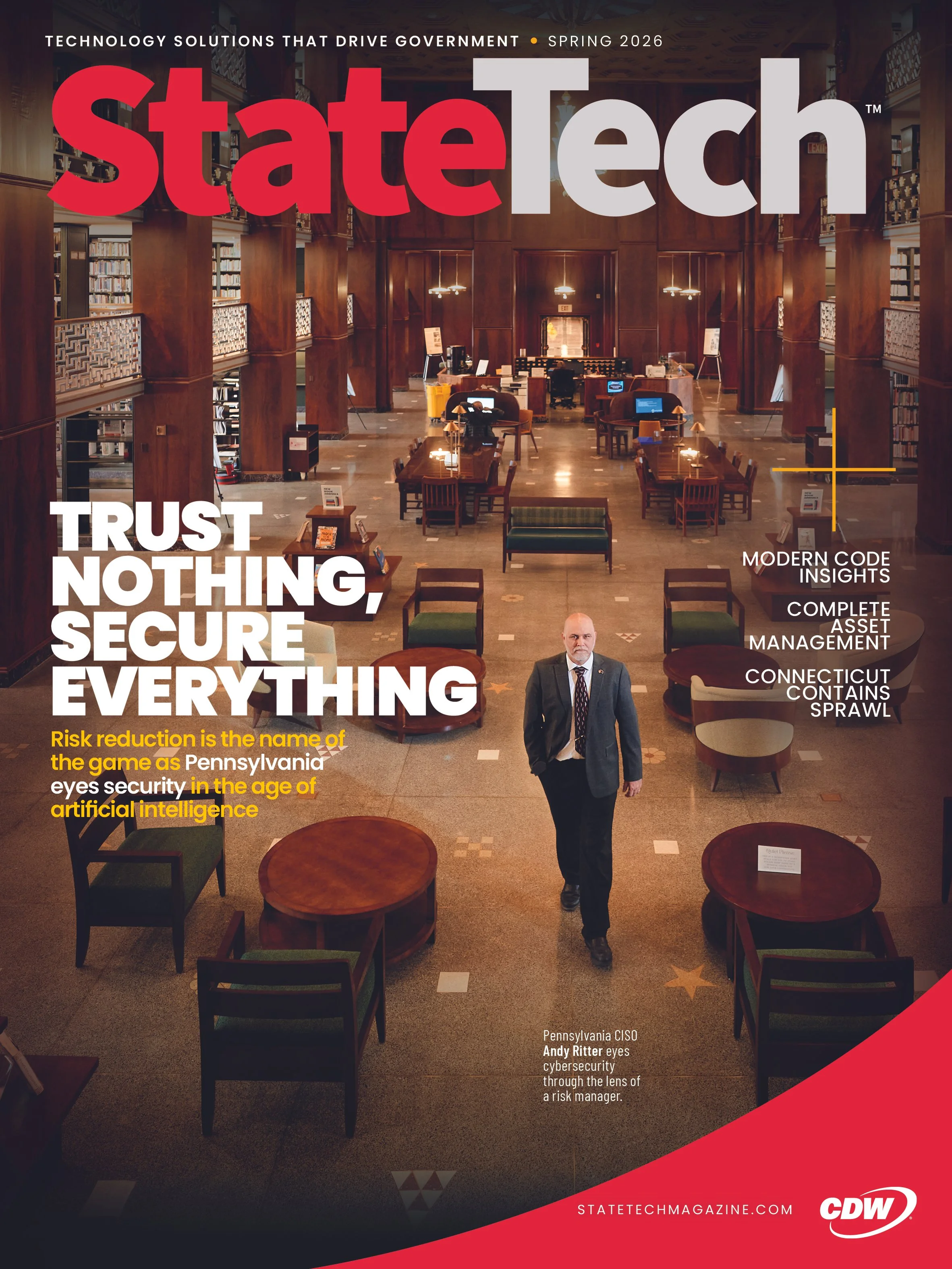
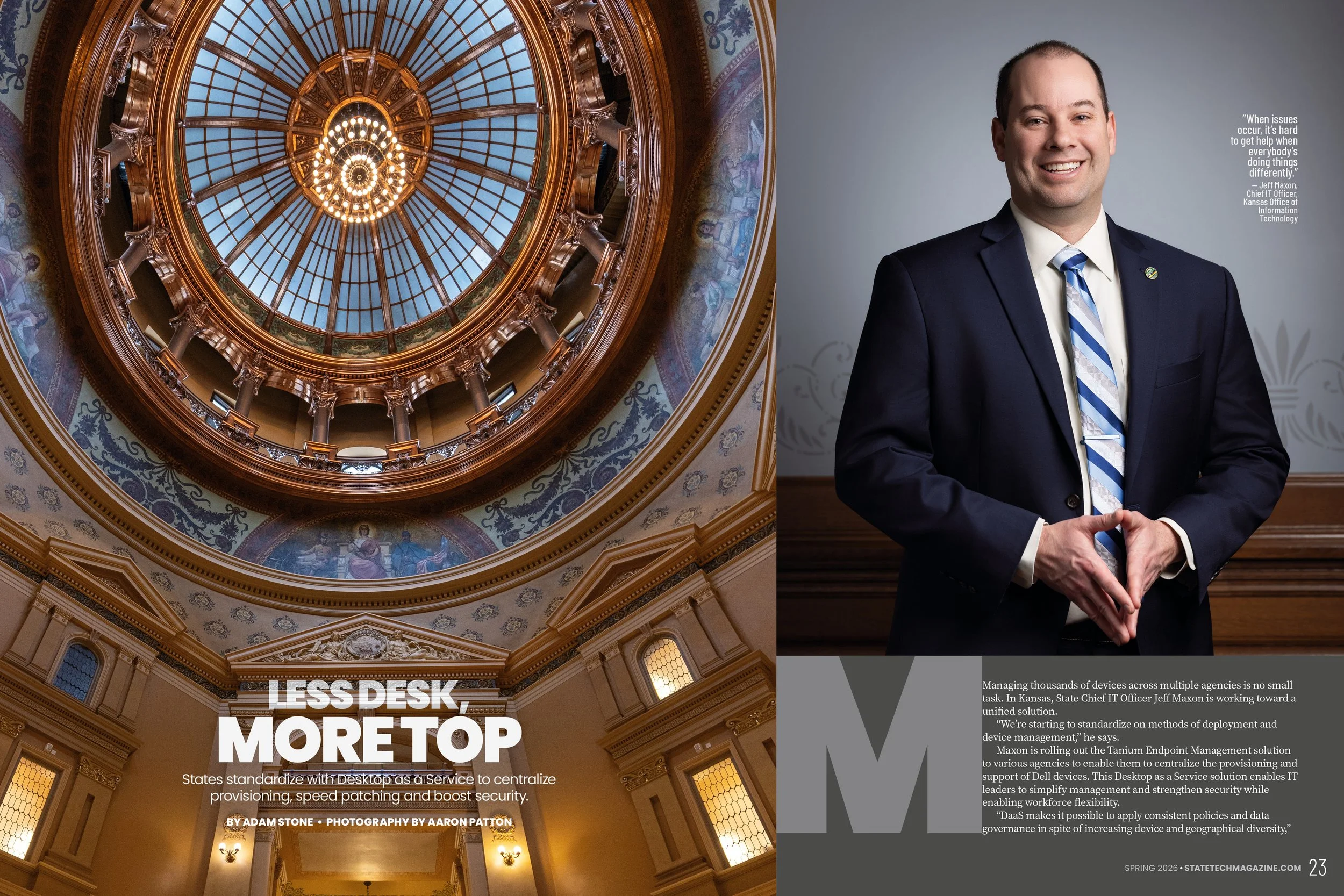
I produced more than 130 custom shoots in 100+ cities across 38 states and Washington, D.C., plus Geneva, Milan and Singapore. For each one I found and hired the photographer, wrote the shot list, coordinated with the subject's PR and IT teams, secured releases and site access, and edited the take for print, digital and social.
A few of the places we went:
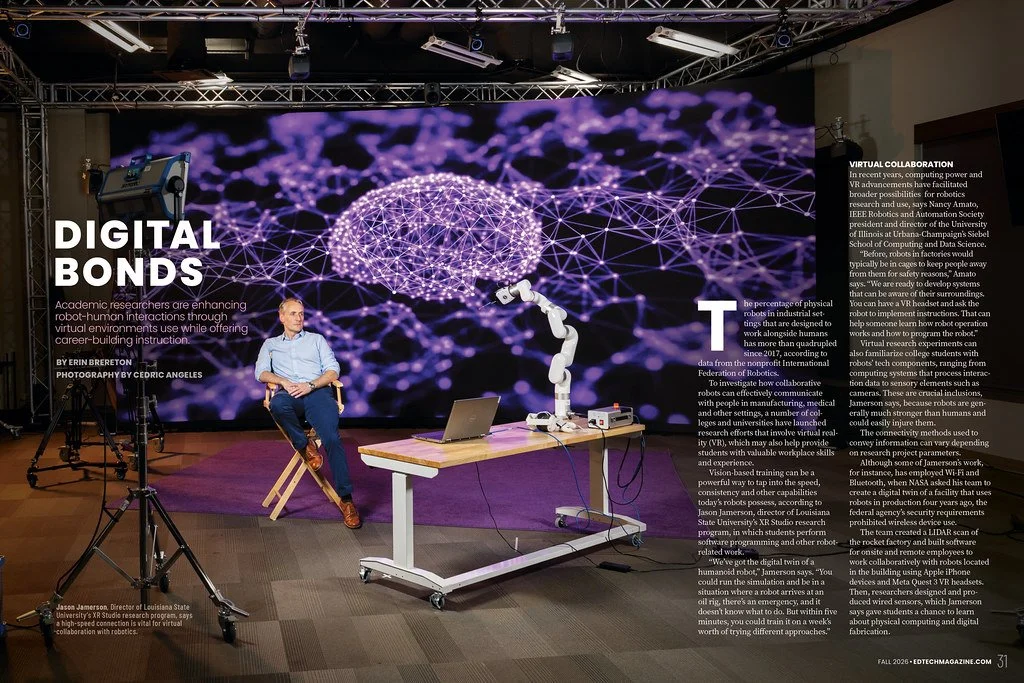
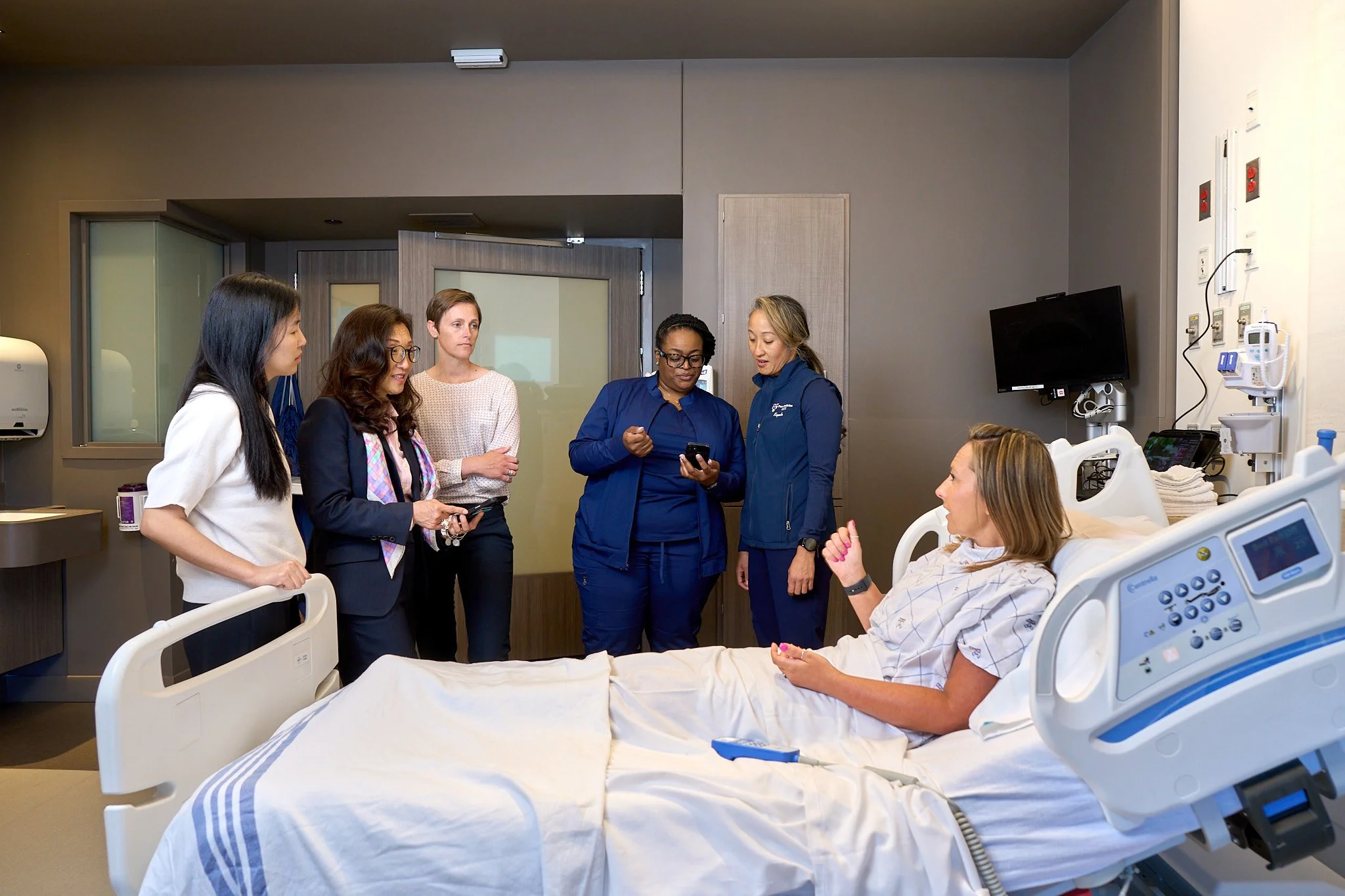
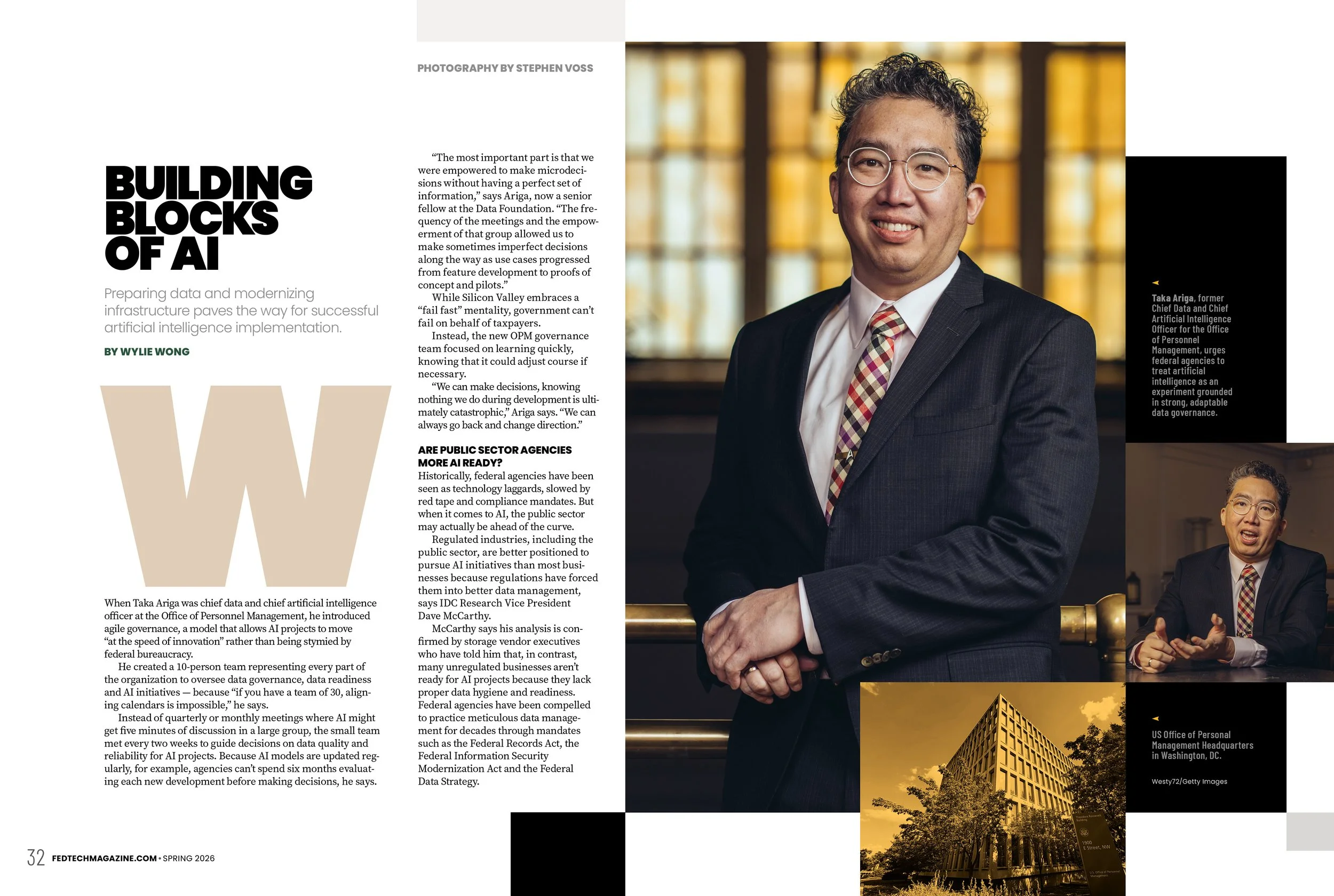
Tampa General Hospital, photographing the command center that coordinates care across the hospital.
The Chicago Bears, documenting the wireless network behind game day at the stadium.
Mayo Clinic, with nursing leadership in Rochester, Minnesota.
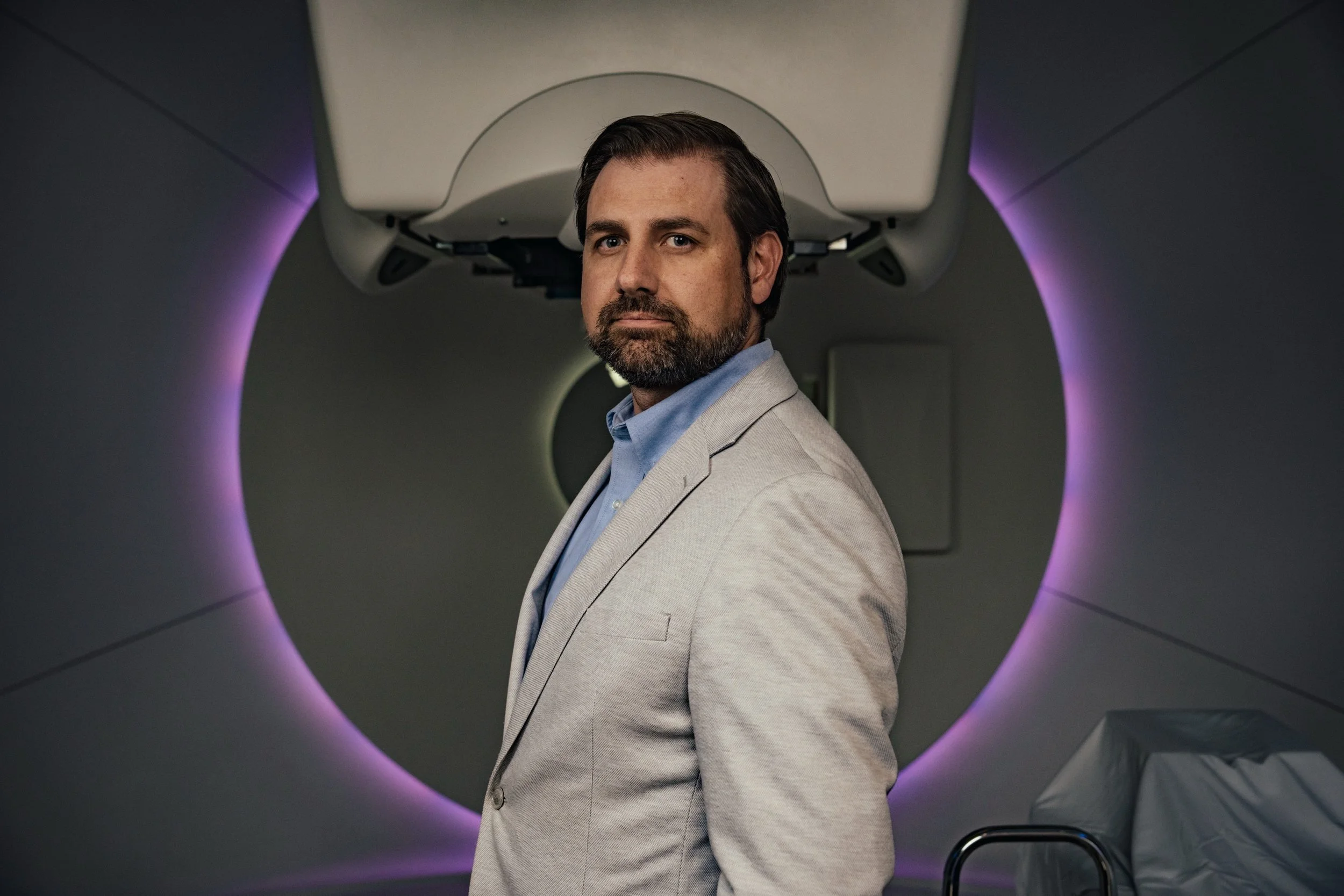
Stanford Health Care and SLAC National Accelerator Laboratory, for stories on data and scientific computing.
The World Trade Organization in Geneva, for an interview with one of its economic affairs officers.
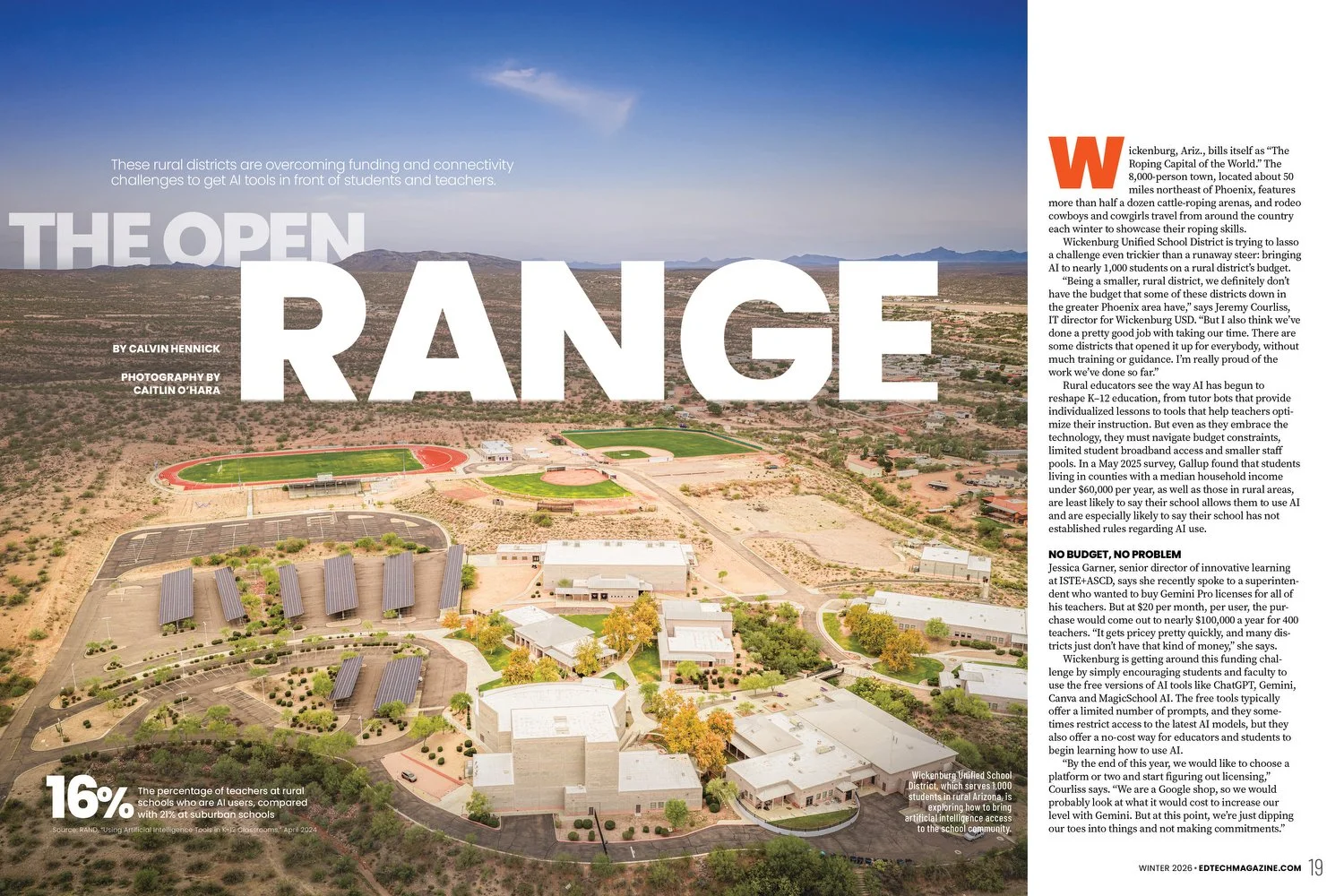
Great American Ball Park, where the Cincinnati Reds' concessions run on real-time data.
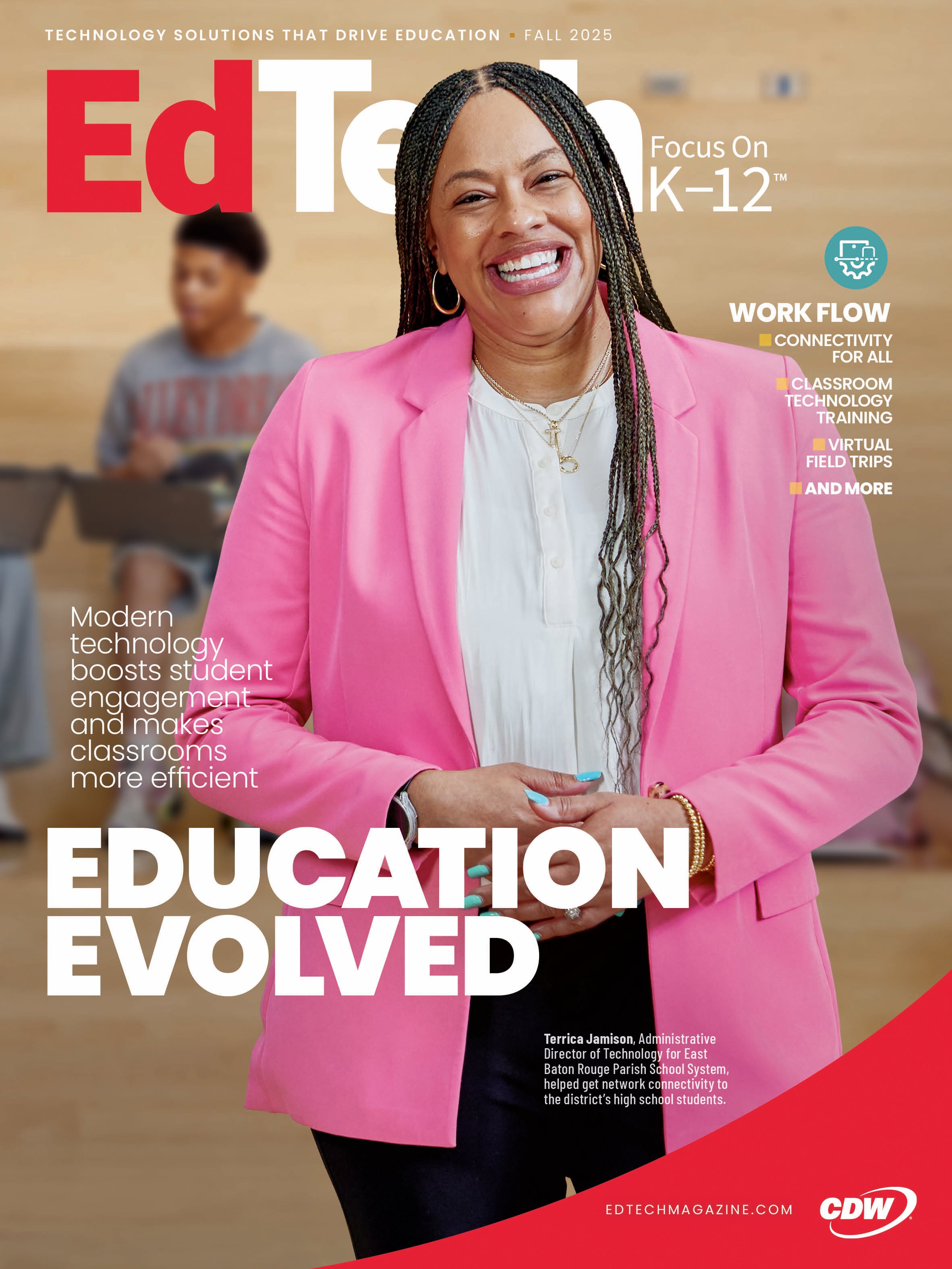
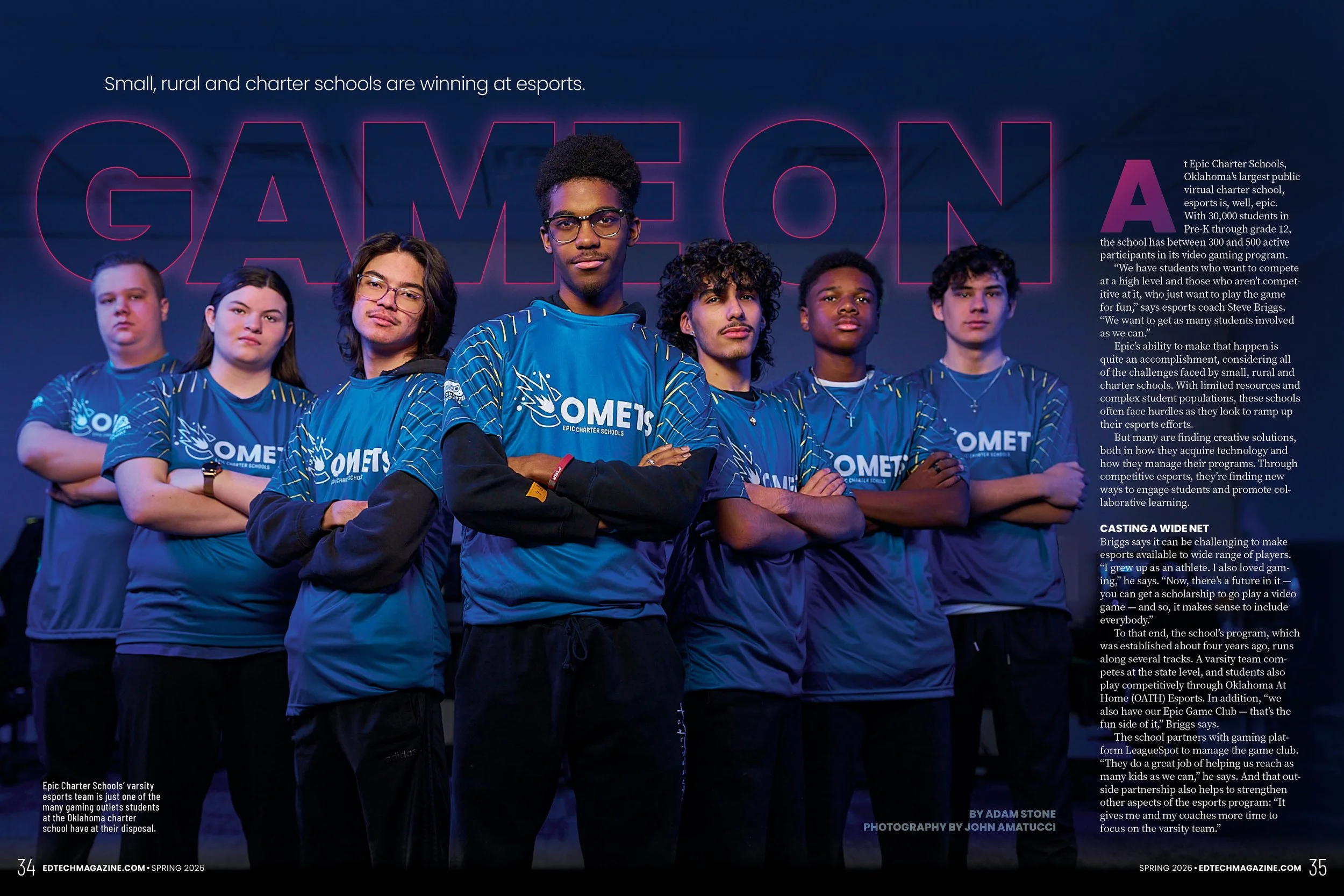
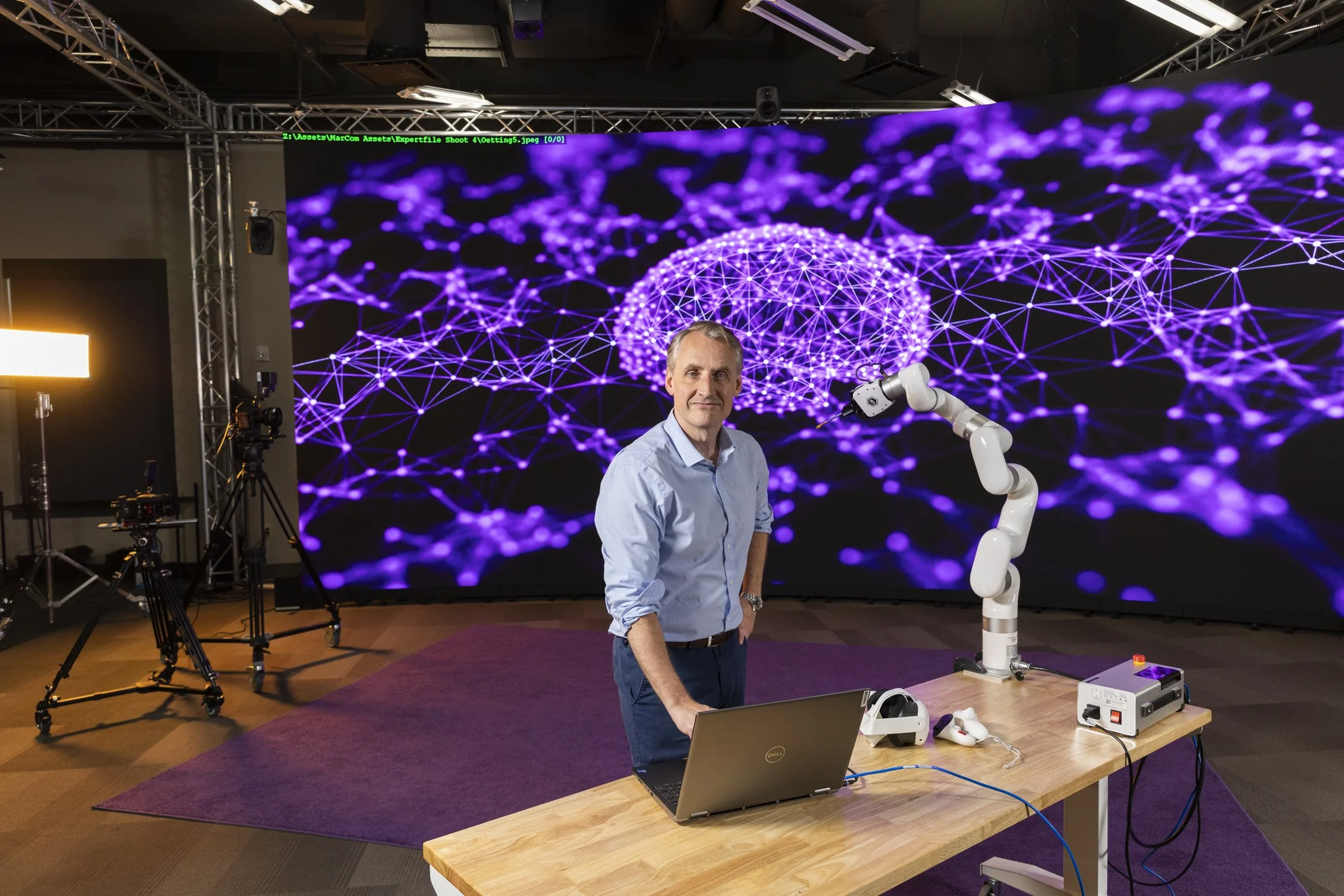
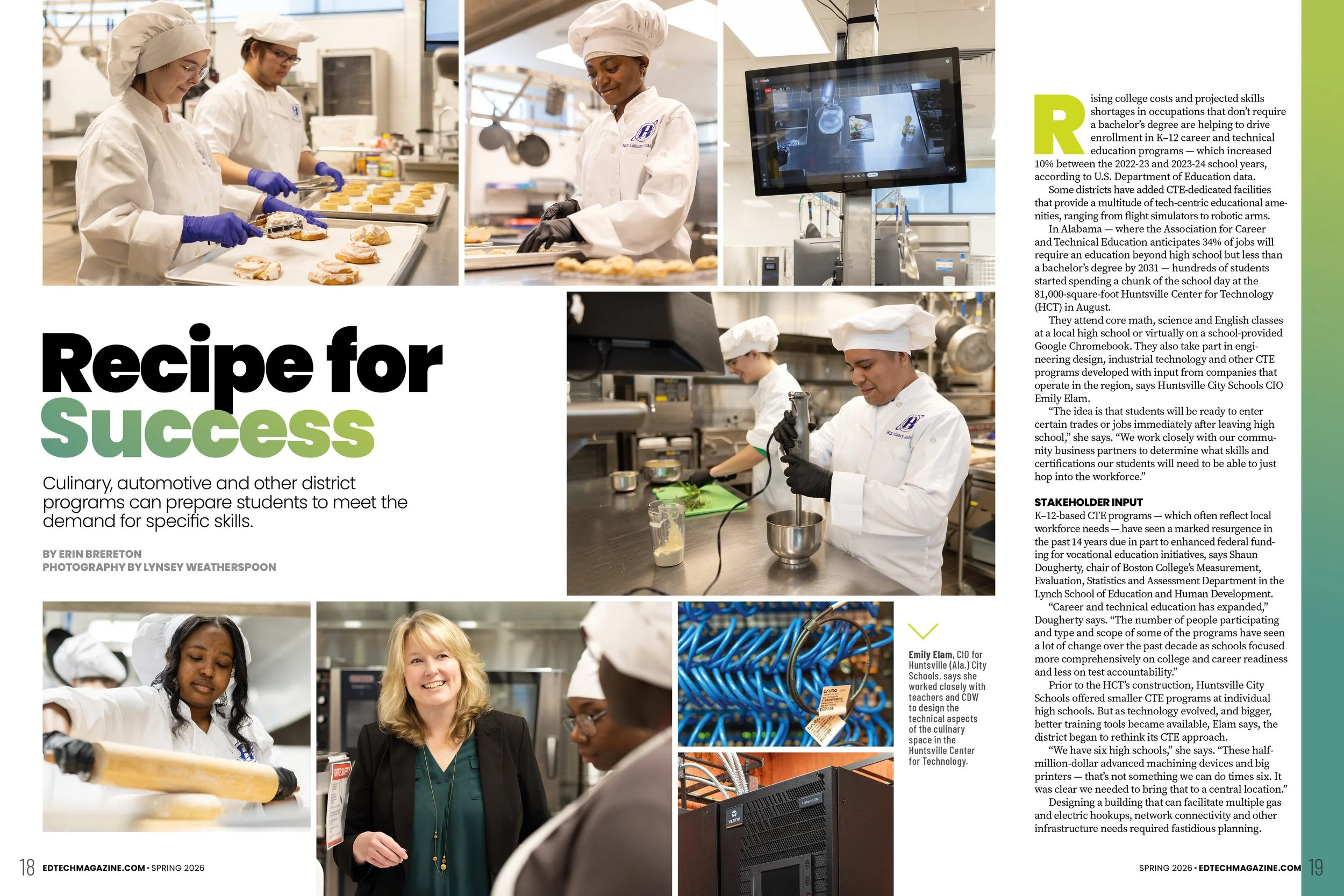
LSU's XR studio, a high school drone program in Clermont, Florida, and a student podcast studio on Mercer Island, Washington.
Making technology visual
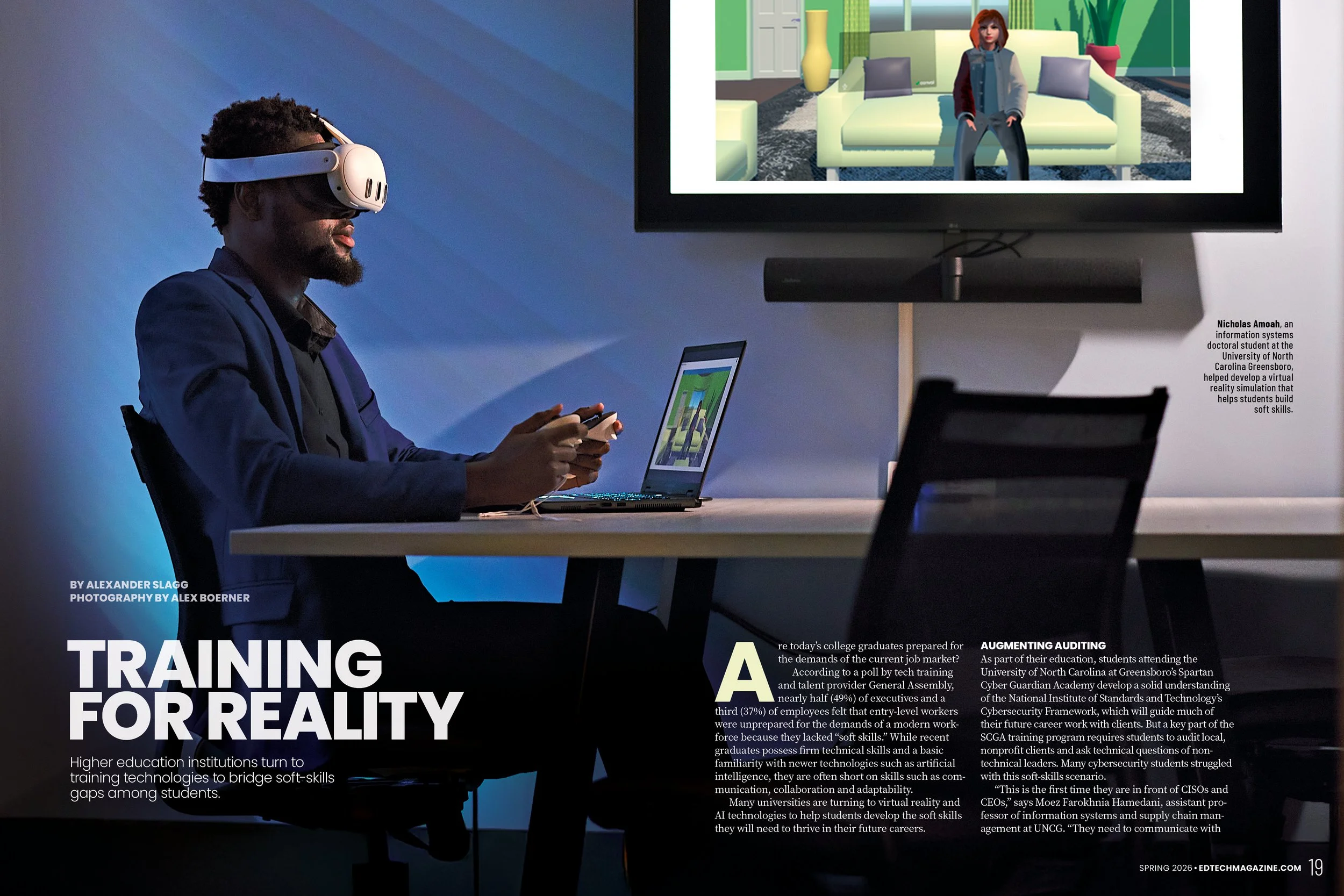
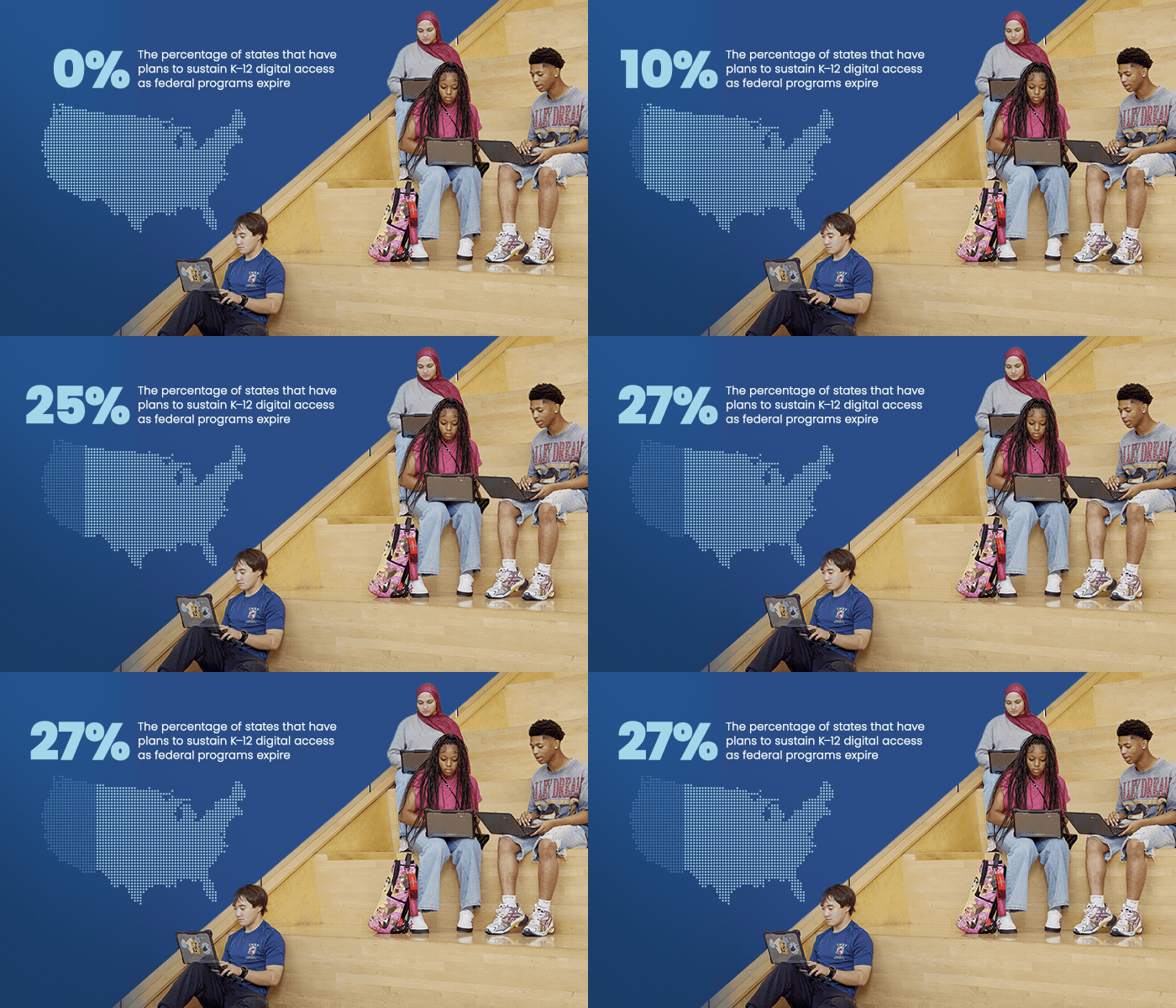
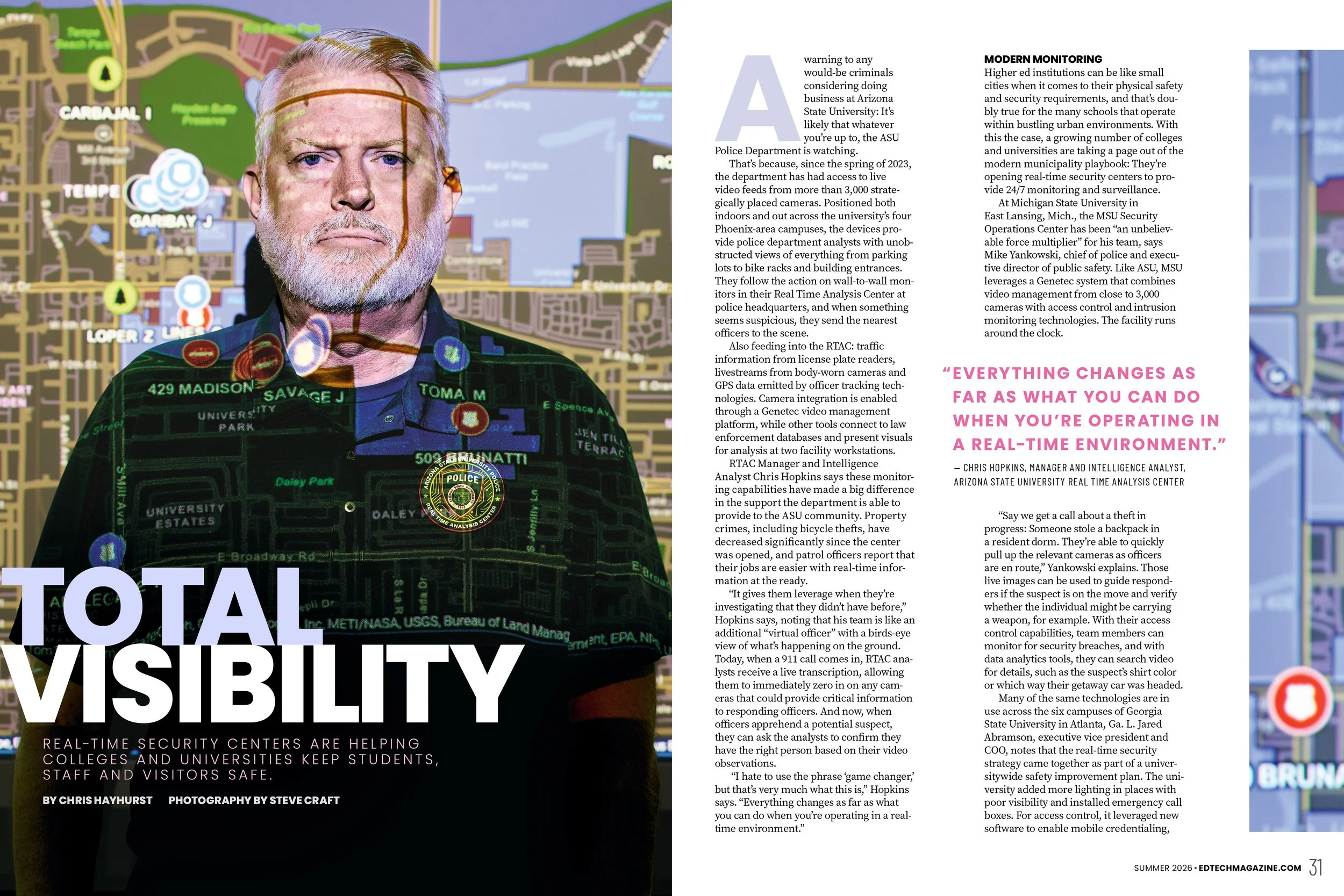
Nearly every story centered on a real CDW customer, so they were almost always in the picture. The creative question was how to bring the technology into the frame with them, since technology on its own doesn’t always make for an exciting picture. Sometimes that meant documenting it in use on location, like a cart of student Chromebooks or a drone mid-flight. Other times it meant a conceptual shoot in the studio to illustrate an idea that doesn’t exist in physical form.
How I made it work
Eight magazines, one producer
I ran photography for all eight magazines at once, on my own. At any moment I had shoots in planning for one issue, on location for another and in edit for a third, often a dozen or more in a single month. Every one had its own writer, editor, subject and deadline, and none of them could slip.
I kept it all moving with the system I built. Each story got a task in the Asana hub the moment it was assigned, with the shot list, location, subject contacts, fee and deadline in one place. Assignment briefs were generated, status updates reached editors and art directors without a meeting, and dashboards showed me at a glance which shoots needed attention that week. That left my time for the parts that needed special attention: finding the right photographer, preparing the subject and reviewing every edit.
Great photographers, anywhere
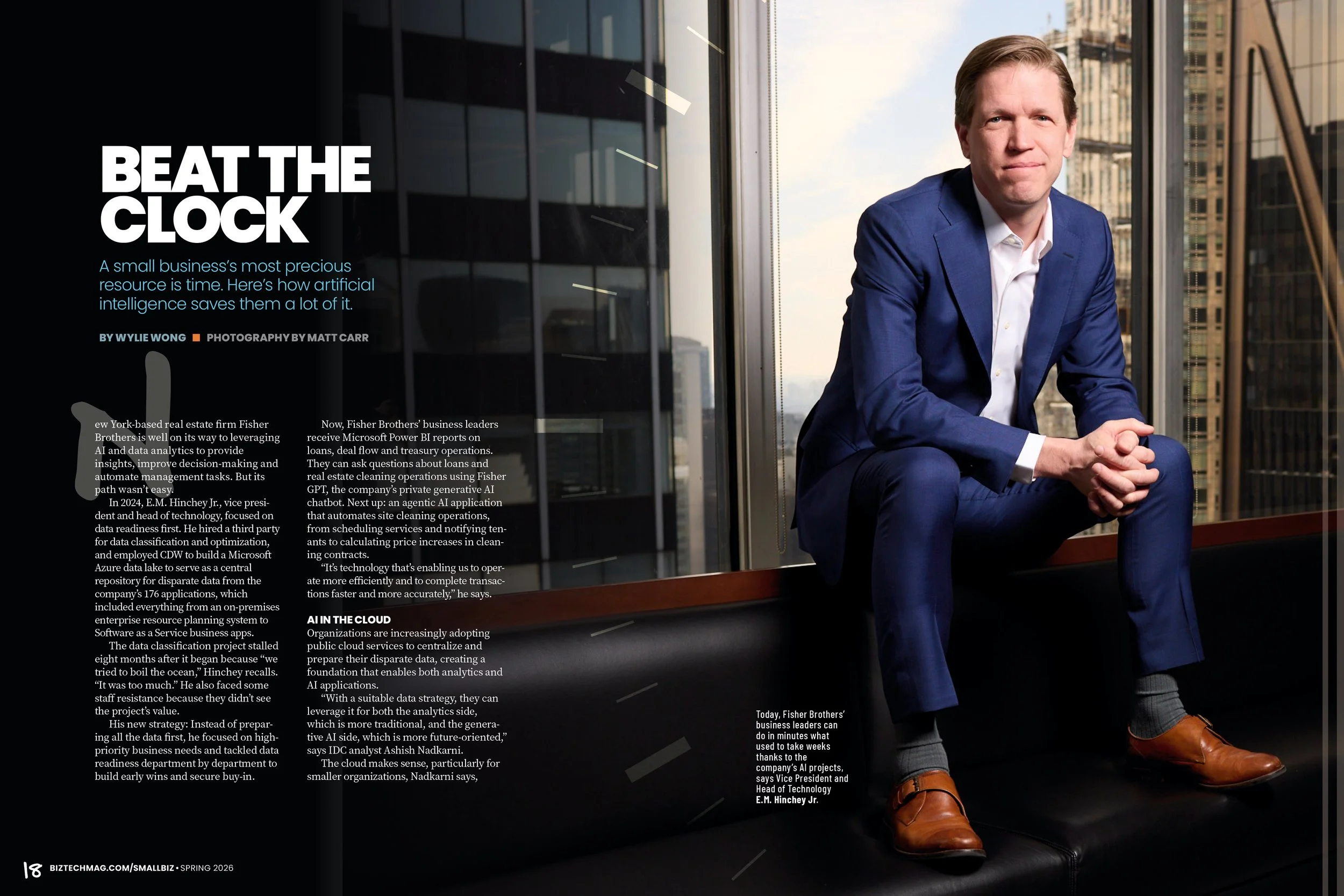
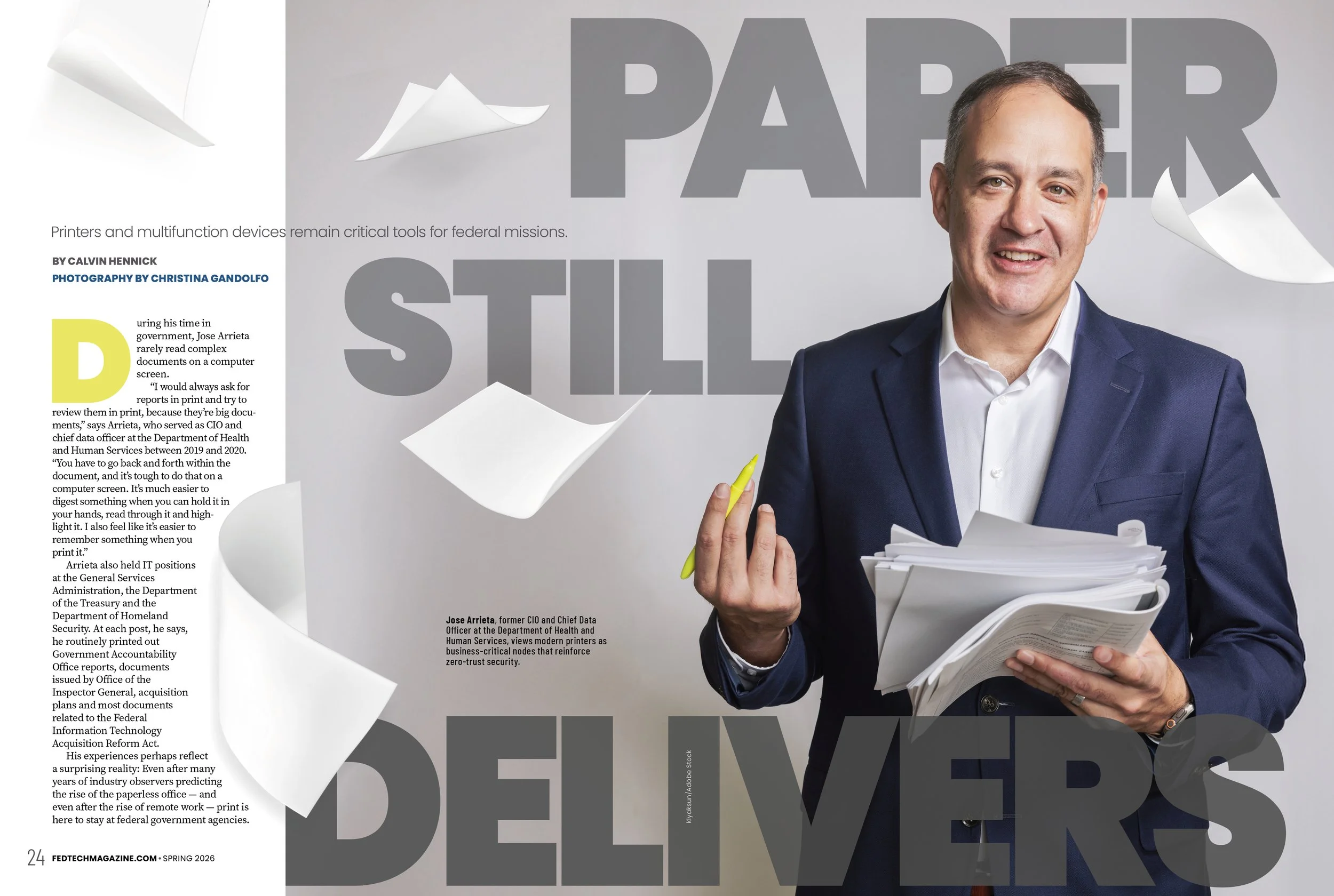
Over the year I hired more than 70 photographers, including some of the best-known names in editorial photography. Ackerman + Gruber, whose work has earned an Emmy and runs in National Geographic and The New Yorker, shot Mayo Clinic and the Minnesota Wild sponsorship. Stephen Voss, a Washington portrait photographer whose subjects have included Michelle Obama, covered many of our federal and public sector stories. Lynsey Weatherspoon, a Canon Explorer of Light published in The New York Times and Vanity Fair, photographed a high school technology center in Huntsville, Alabama. Gabriela Herman, author of the photo book The Kids, shot stories in Connecticut and Long Island. And Alessandro Grassani, a Sony World Photography Awards winner and New York Times contributor, shot for us in Milan.
The stories didn't stay in big cities. One week it was a shoot in Manhattan, the next it was a community hospital surrounded by corn fields in Nebraska. The bar didn't change with the zip code. I drew on 20 years of relationships with photographers across the country, and when a story landed somewhere I didn't know anyone, I went looking: portfolio by portfolio, until I found someone who could bring something special to the assignment, not just cover it.
Real people, not models
Many of our subjects were CIOs, nurses, teachers and IT directors who had never been photographed professionally. Before each shoot I talked with them and their communications teams about what to expect: how long it would take, what we'd shoot and why. I sent wardrobe guidance ahead of time, so everyone showed up camera-ready. I also stressed for every shoot that the experience would be enjoyable and collaborative, and hired photographers who I knew could put our subjects at ease.

Logistics behind every frame
Hospitals, schools, federal agencies and international organizations don't let a photographer walk in. Each shoot meant coordinating security clearances, releases, site access and patient or student privacy, often with a subject who had a one-hour window between meetings. I ran virtual scouts with subjects and photographers before most shoots, walking the space by video call or reviewing location photos, so we arrived knowing where the light was, what could and couldn't be shown, and how many setups the schedule allowed. I planned around all of it so the photographer could focus on the pictures.
Behind the scenes
A program this size runs on systems, so I built one. I designed the creative workflow from scratch in Asana: a photo production hub that tracked every image across every issue, about 2,300 tasks in all, from assignment to shoot date, model releases, credits, licensing and final placement. Zapier and SharePoint integrations moved files and updates between teams automatically, which cut billing and reporting time by 75%. I trained the art directors and editors on how to use it, so everyone could see where every image stood without chasing anyone down.
Every shoot got a quality rating, so I always knew which photographers to call back in each market. I also managed the overall art budget for the program: photography, stock licensing and illustration commissions. When custom photography wasn't the right fit, I licensed stock from sources like Getty Images and cleared handout images supplied by the companies we covered, and I tracked the budget for the illustrations our art directors commissioned, so every issue came in on budget.
The role of AI
Editorial photography of real people is not a place for generative AI. The CIOs, nurses and teachers in these stories are real, and readers need to trust that what they see is real too. Every person in our pictures was photographed where they actually work, at home, or in studios.
Behind the scenes is where AI earned its place. I built an automated assignment brief that pulled everything a photographer needed straight from Asana: fee, shot list, location, onsite contact and schedule. The automation handled the details, and I handled the judgment. With so many moving parts, I reviewed and tailored every brief before it went out, adding the context specific to each shoot.
I also used AI to write the scripts that connected the platforms CDW relied on for reporting and budgeting, including an automated integration between Asana and SharePoint built in Zapier. The result was less time on paperwork and more time on making great pictures.

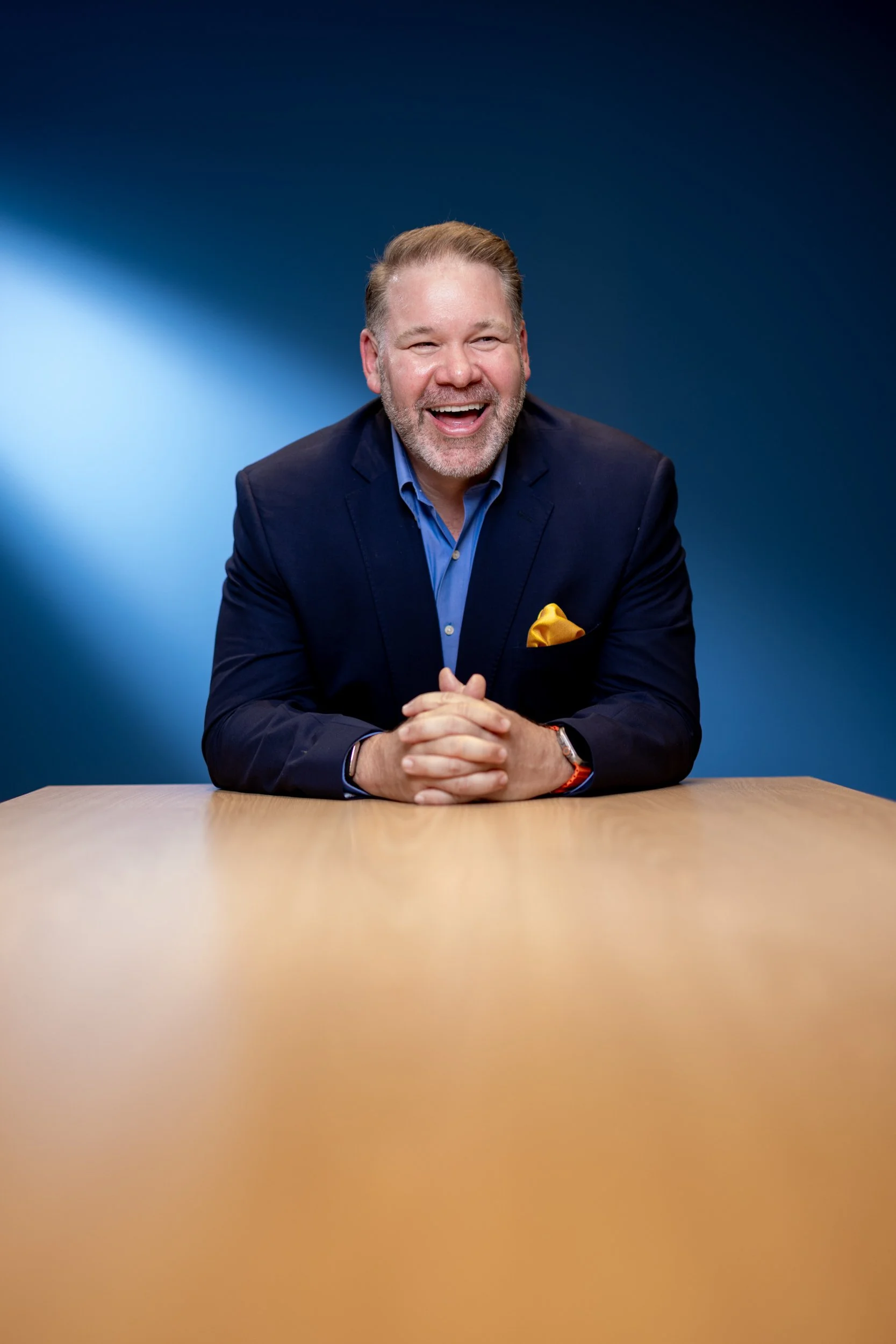
A team effort
Great pictures start long before anyone picks up a camera. For every shoot, the creative directors and art directors at Manifest and I brainstormed together from the beginning: what story we were trying to tell, which location would tell it best, and whether the pictures should be documentary or conceptual. Then they brought the shoots to life on the page, with layouts and digital designs that gave every photograph room to shine. It was a pleasure to see the work come together every quarter, and I'm grateful to have made it with them.